
Briston To Promote Blue Zone Healthier Living In This Global Factory Belt
Read the full story
Briston To Promote Blue Zone Healthier Living In This Global Factory Belt
Read the full storyIndustrial growth is most powerful when it is joined by a compelling vision of everyday life. That is why Briston’s Neemrana positioning Briston to promote an integrated ecosystem with 5+ theme gardens, tree-lined walking tracks, open plazas, premium club and sports amenities, solar grids, rainwater harvesting and recycling, all within a gated and landscaped environment on Neemrana Gateway, NH-48.
A Blue Zone idea is not only about wellness branding. It is about building neighbourhoods where healthy routines happen naturally. Tree-lined walking routes encourage daily movement. Open plazas invite community interaction. Green gardens improve the emotional texture of life. Sustainable infrastructure such as solar systems and water management contributes to the sense that a place has been designed for continuity and care. Briston’s promotion for Blue Zone culture is highly relevant for Neemrana’s next chapter.
This is important because industrial corridors increasingly compete on lifestyle as well as logistics. Engineers, plant leaders, mid-level managers and global families all value places that make daily life smoother, healthier and more balanced. A township that connects living, leisure, learning and wellness within one secure campus becomes part of the region’s larger investment story. It helps companies recruit, retain and reassure.
Briston’s language around Indo-Japanese wellness living also fits naturally into Neemrana’s identity near the Japanese Zone. The same corridor known for disciplined manufacturing can also become known for disciplined, high-quality living.
Briston Blue Zone is the residential expression of that success of Neemrana industrial belt. It points toward the corridor’s future and that will be measured not only in output and acreage, but in how beautifully it supports the people building that future.

The Next 11: Why Japanese Capital Still Sees Rajasthan as an Expansion Frontier
Read the full story
The Next 11: Why Japanese Capital Still Sees Rajasthan as an Expansion Frontier
Read the full storyNeemrana has entered a new phase of confidence, and the latest wave of Japanese investment confirms it. Eleven Japanese companies signing MoUs had tied to Rs.1,3380 crore of investment in Neemrana, Ghiloth and Chaparia Ki Dhani is more than a policy event. It is a signal that Rajasthan continues to be read as a serious manufacturing destination with long-term promise. The same investment package is expected to generate around 2,300 jobs, making it a story not only about capital, but about livelihoods, skills and regional momentum.
This matters deeply to Neemrana. Industrial corridors become truly powerful when global investors return with fresh commitments, and when new entrants choose to stand beside established names. That is how trust compounds. In Rajasthan, Japanese investment has already been described by state leadership as an inspiration for local entrepreneurs, showing that foreign direct investment does not arrive in isolation; it creates confidence across the wider business ecosystem.
The symbolism of Neemrana is especially strong because the MoUs were signed at the Daikin Japanese Institute of Manufacturing Excellence in Neemrana. That setting brings together industry, training and credibility in one frame. It says something important about how the region is being understood: not simply as land for factories, but as a place where production, knowledge and workforce development can grow together.
Markets matter, but manufacturing decisions are also shaped by signals of continuity, cooperation and execution. Rajasthan’s Japanese investment story now carries all three. A corridor that has already attracted major companies, built industrial familiarity and maintained policy visibility becomes easier for boardrooms to believe in.
75+ Reasons Over $8.34 billion Neemrana Became Japan’s Industrial Address in North India
Read the full story
75+ Reasons Over $8.34 billion Neemrana Became Japan’s Industrial Address in North India
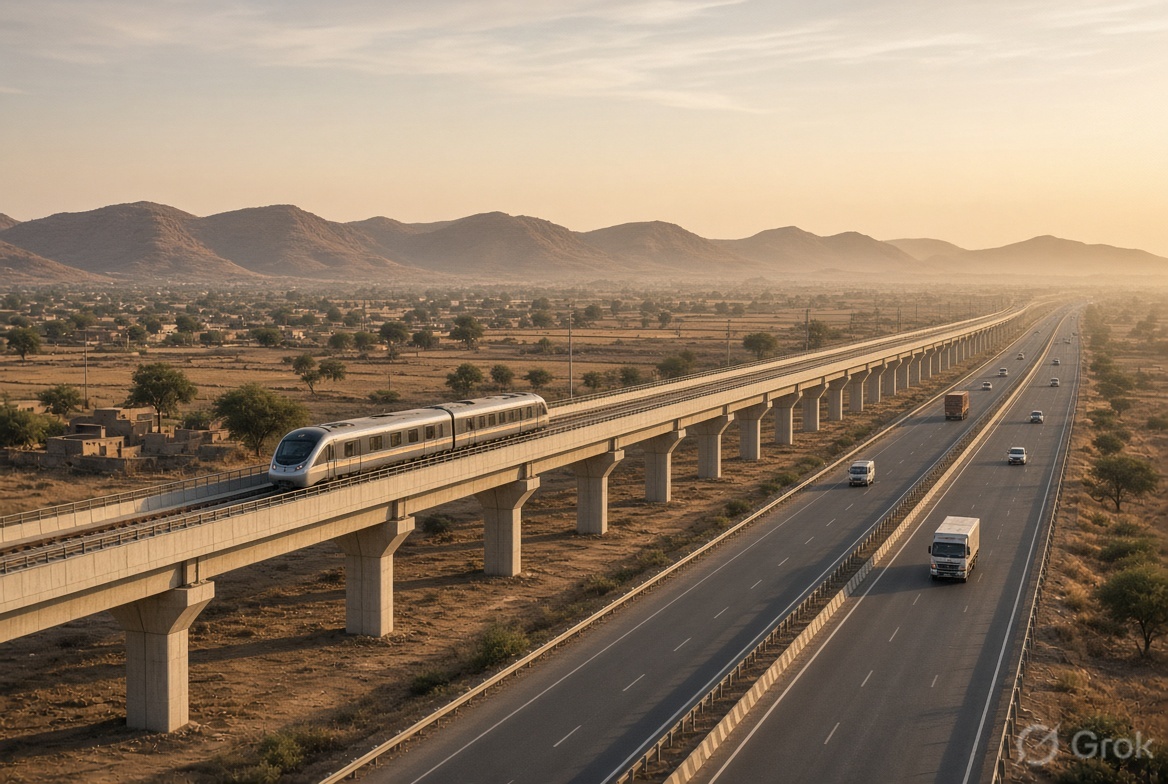
Read the full storySome industrial places grow because of incentives. Others grow because they become habits of confidence. Neemrana belongs to the second category. One current investment portal describes the town as home to 75+ Japanese MNCs and positions it within a 1,200+ acre Japanese manufacturing township with strong connectivity and foreign direct investment depth. That is more than an industrial statistic. It is a portrait of accumulated trust.
A manufacturing corridor becomes truly valuable when companies do not feel alone there. Neemrana’s strength lies in the fact that it has moved beyond a single-anchor story. Daikin, Toyoda Gosei, Nidec, Mikuni and Nippon Pipe are presented as key anchors in the zone, giving the area a recognizable Japanese corporate identity. That identity matters because investors often choose ecosystems, not just locations.
The scale of the corridor reinforces that message. Recent reporting says the Neemrana Japanese Investment Zone has attracted over $8.34 billion from 48 Japanese companies and generated more than 26,000 jobs. Together with the 75+ MNC framing used by another investment platform, these numbers create a compelling editorial truth: Neemrana is no longer emerging. It is operating at a scale that speaks to maturity, continuity and industrial self-belief.
There is also a geographical confidence to this story. The same portal ties Neemrana to NH-48, the Delhi-Mumbai Industrial Corridor and the proposed RRTS commute logic toward Delhi/NCR. Investors appreciate places where logistics, labour movement and future connectivity strengthen one another. Neemrana presents exactly that combination.

From Daikin to Mikuni: The Companies That Gave Neemrana Its Japanese Edge
Read the full story
From Daikin to Mikuni: The Companies That Gave Neemrana Its Japanese Edge
Read the full storyEvery successful industrial town can be read through its company names. In Neemrana, those names already tell a confident story. Current investment material identifies anchor multinationals such as Daikin Airconditioning India, Toyoda Gosei Rajasthan, Nidec India Pvt Ltd, Mikuni and Nippon Pipe, each representing a different dimension of advanced manufacturing strength. Together, they show why Neemrana has become one of Rajasthan’s clearest symbols of Japan-linked industrial capability.
Daikin signals scale and engineering seriousness, with the same portal listing more than ₹2,400 crore in investment associated with the company’s Neemrana presence. Toyoda Gosei Rajasthan is shown with investment above ₹650 crore, while Nidec India is presented at ₹500+ crore. These are not abstract names; they are proof that internationally respected manufacturers have chosen to plant real capital in this corridor and make it part of their India story.
This concentration of companies does something powerful to a place. It deepens supplier networks, normalises quality systems, improves the technical expectations of the workforce and creates an atmosphere in which manufacturing excellence feels everyday rather than exceptional. When a company enters a corridor where other major Japanese firms are already operating, it sees a location with memory, process discipline and peer validation. That is a meaningful advantage.
Neemrana also benefits from the variety of sectors represented by these firms. Air-conditioning, auto safety, electric motors, precision systems and industrial components create a diversified manufacturing character. That diversity is one reason the zone feels resilient and expandable. It can welcome new suppliers, new technologies and new collaborations without losing coherence.

A Japan House for Rajasthan: The Cultural Infrastructure Behind Better Investment
Read the full story
A Japan House for Rajasthan: The Cultural Infrastructure Behind Better Investment
Read the full storyIndustrial success begins with factories, but it matures through culture. That is why Neemrana is ready for a new kind of story, a Japan House for Rajasthan. As Japanese companies continue to shape the state’s industrial landscape, the next step is to create a cultural address that celebrates language, food, design, festivals and India-Japan friendship in a way that strengthens belonging for families, managers, workers and visitors alike.
The timing is ideal. Around 180 Japanese companies are currently operating in Rajasthan. That state-wide presence gives real weight to the idea of deeper cultural infrastructure. A Japan House in or around Neemrana would not be symbolic alone; it would be functional, welcoming and future-facing. It could host language classes, school partnerships, calligraphy workshops, tea gatherings, design exhibitions, Japanese food events and business etiquette sessions that help industry feel more human and more rooted.
Such a space would send a powerful message. It would show that Rajasthan understands international investment not only as a transaction, but as a relationship. Boardrooms respond to places that make global teams feel seen. When families find community, when children encounter shared culture and when visiting executives discover a familiar rhythm of hospitality, the investment environment becomes stronger.

Neemrana Blue Zone: The Making of a Long-Life Industrial Town
Read the full story
Neemrana Blue Zone: The Making of a Long-Life Industrial Town
Read the full storyNeemrana’s next defining story may be the one that connects industry to longevity. The town has already built a powerful identity through Japanese manufacturing, strategic location and industrial scale. One investment portal presents Neemrana as home to 75+ Japanese MNCs, while recent reporting describes the Japanese Investment Zone as having 48+ firms, over $8.34 billion in investment and more than 26,000 jobs. That foundation is now strong enough to support a larger civic ambition: Neemrana as a Blue Zone-style industrial town designed for long, healthy, meaningful living.
This idea feels timely because the components are already visible. Industrial employment brings daily purpose. Township development is bringing landscaped living environments. Briston’s published features include theme gardens, walking tracks, open plazas, sustainable utilities and wellness-oriented planning. Combined with the broader corridor’s growth, these features suggest a place that can intentionally shape healthier routines alongside economic momentum.
A Blue Zone Neemrana story shows upliftment of the industrial corridor into a healthier lifestyle. It is about intergenerational homes, active mornings, shaded pedestrian movement, community gardens, slower food culture, social clubs, family connection and everyday public spaces that invite people outdoors. Under Blue Zone, the town shall become more than a production base. It becomes a place where long-term living is part of the development vision.
Companies increasingly value locations where teams can settle well, not just work efficiently. A town that offers clean routines, green landscapes, human connection and lifestyle continuity becomes more attractive to both employers and employees. The best industrial ecosystems in the coming decade will be the ones that combine productivity with quality of life. Neemrana has the profile to become one of them.