From factory floor to research centre, Neemrana’s Japanese cluster moves up the value chain
The live deadline, explained.
Read the full story
From factory floor to research centre, Neemrana’s Japanese cluster moves up the value chain
The live deadline, explained.
Read the full storyNeemrana’s Japanese industrial story began with factories. Its next chapter is being written in engineering, cooling technology and research.
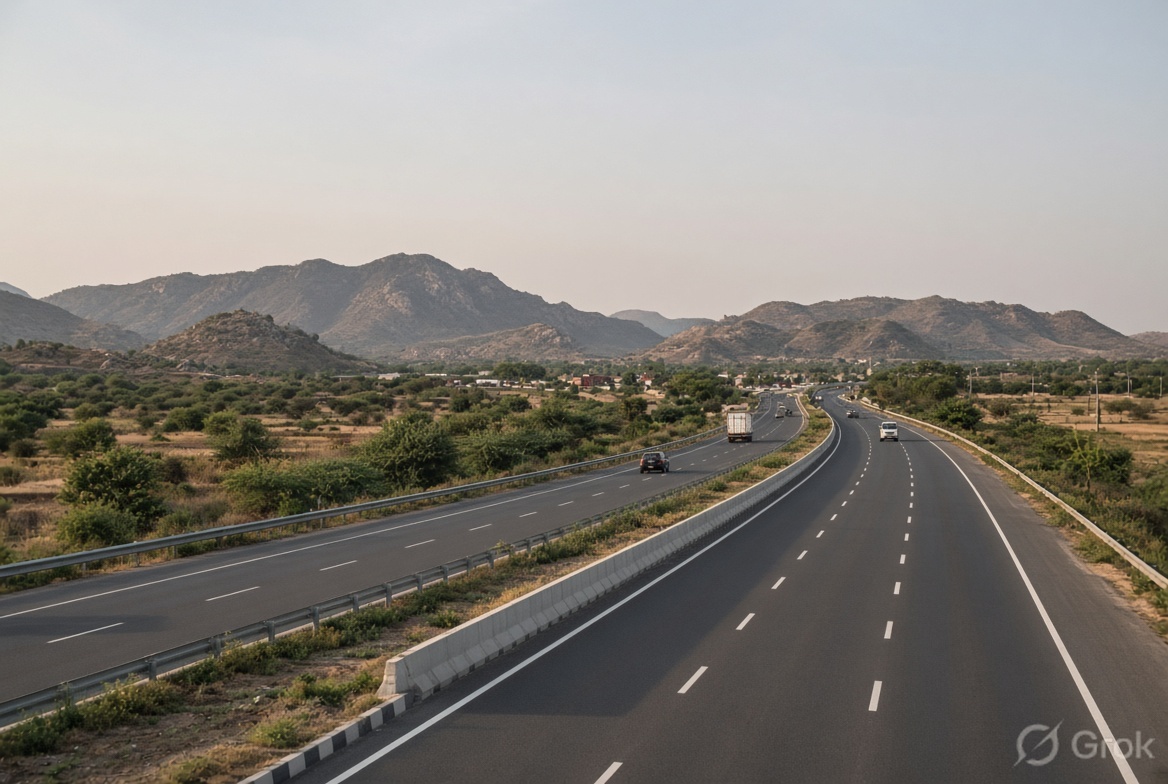
Daikin’s reported plan for further investment in India, including a proposed global research and development centre for air conditioning systems and chillers, places Neemrana near an important new frontier in Indian manufacturing. Industry reports say the Japanese company is considering a centre near its existing Neemrana base, with research focused on software and product development for advanced cooling systems.
That matters because Daikin’s Neemrana presence is already substantial. The company’s official India profile describes a manufacturing plant spread across 160,000 square metres, with projected annual capacity for high wall air conditioners, ductable units, VRV systems and chillers. It identifies an investment of Rs 1,065 crore in the Neemrana facility.
The factory is more than a production site. It is an example of how Neemrana has become part of Japan’s long term industrial relationship with India. The corridor has offered Japanese companies an industrial base connected to North India’s consumer markets, supplier networks and engineering talent. Daikin has used that platform to build products that serve homes, offices, commercial buildings and industrial users.
The next growth opportunity is in high capacity cooling. India’s expanding data centre economy, commercial construction, logistics facilities, hospitals, hotels and modern manufacturing units all need more sophisticated cooling systems. Chillers are no longer a narrow industrial category. They are becoming essential infrastructure for a digital economy that depends on reliable power, temperature control and energy efficiency.
For Neemrana, this opens a wider opportunity than appliance assembly alone. A deeper Daikin research and engineering presence could encourage local growth in electronics, controls, sensors, sheet metal, motors, compressors, testing, building management systems, maintenance and energy services. It could also create demand for trained engineers who understand HVAC design, industrial cooling, automation and sustainable building technology.
Daikin’s reported wider India investment plan of Rs 2,800 crore includes research and development spending and an emphasis on high capacity cooling. The significance for Neemrana is clear. The industrial corridor can increasingly position itself as a place where products are not only manufactured but improved, tested and adapted for India and global markets.
That is the transition every successful manufacturing region seeks. First comes production. Then comes the supplier ecosystem. After that come design, research, technology services and higher value jobs.
Neemrana has already demonstrated that it can attract global manufacturers. The next task is to turn that manufacturing strength into a larger engineering and innovation economy.
The SNB Master Plan is a Blueprint For a Larger Industrial City Region
Effluent-treatment headroom checked as units grow.
Read the full story
The SNB Master Plan is a Blueprint For a Larger Industrial City Region
Effluent-treatment headroom checked as units grow.
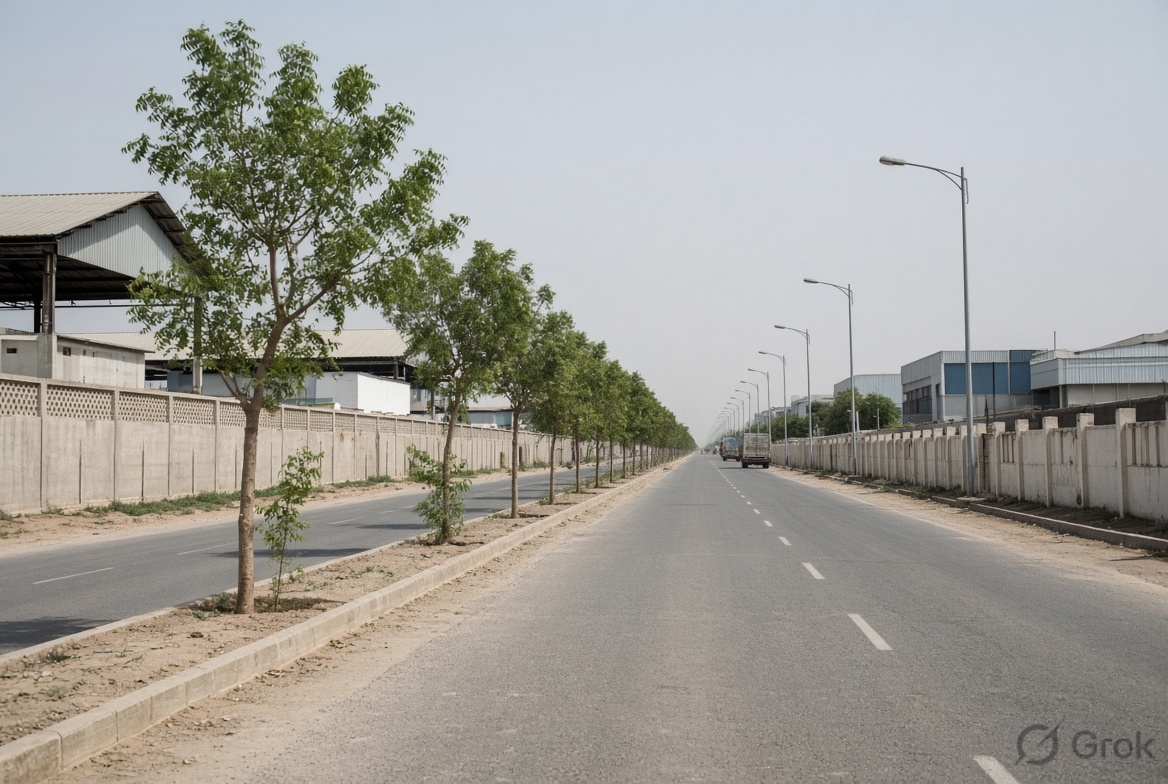
Read the full storyThe future of Neemrana will not be defined by one factory, one housing scheme or one transport project. It will be shaped by the ability to connect industry, homes, services, green space and opportunity into a functioning city region.
That is why the Shahjahanpur Neemrana Behror 2041 Master Plan deserves to be read as an investment map. Bhiwadi Integrated Development Authority lists the plan alongside the Bhiwadi Khushkhera Tapukara 2041 Master Plan and the New Township Tijara plan, placing SNB within a wider vision for the economic geography of northern Rajasthan.
For investors, the importance of a master plan lies in what it makes possible. A manufacturing company does not choose a location only because industrial land is available. It also looks for roads, reliable utilities, skilled workers, housing, commercial services, healthcare, schools, supply chains and a quality of life that can retain managers and technicians.
The SNB corridor has the foundations for this larger transformation. Neemrana already has an established industrial identity, especially through its Japanese manufacturing base. Shahjahanpur, Neemrana and Behror can now be understood as connected parts of a broader urban economy rather than as separate local markets.
That creates a new opportunity for developers and entrepreneurs. Industrial land can support factories and supplier parks. Housing can serve workers, engineers, managers and families. Commercial areas can support food, banking, healthcare, retail, training, mobility and business services. Green areas can create shade, recreation, water recharge and a better quality of urban life. Roads and future transit links can connect people to jobs, markets and regional business networks.
The most successful industrial regions do not simply expand outwards. They become more complete. They create places where a Japanese engineer, a local trainee, a supplier entrepreneur, a school teacher, a logistics manager and a hotel operator can all see a future.
That is the economic promise of SNB 2041. For Neemrana, the next phase is not only about attracting another factory. It is about building the ecosystem around factories. This includes serviced residences for global executives, affordable rentals for workers, training institutes for young people, business hotels for visitors, warehousing for suppliers, healthcare facilities for families and green public spaces that make growth more sustainable.
The master plan gives developers and institutions a committed direction. It enables them to identify where industrial activity can grow, where new housing and commercial districts can emerge and where infrastructure investment can unlock larger value.
Neemrana Signal will track this transformation as a living economic story. The question is not merely where buildings will come up. The more important question is what kind of city region SNB can become.
Signal provides SNB Development Readiness and Land Use Brief which is a source led intelligence report for developers, manufacturers, landowners and overseas investors covering master plan context, industrial opportunity, housing demand, commercial growth, mobility, utilities and emerging investment zones.
RRTS Can Bring Neemrana Closer to Delhi’s Talent, Capital and Business Networks
Corridor freight via the DFC terminal.
Read the full story
RRTS Can Bring Neemrana Closer to Delhi’s Talent, Capital and Business Networks
Corridor freight via the DFC terminal.
Read the full storyThe next great advantage for Neemrana may not be a factory, a highway junction or a land parcel. It may be time.
The Namo Bharat Regional Rapid Transit System has the potential to redraw the economic geography of the Delhi Rajasthan industrial belt. For Neemrana and the Shahjahanpur Neemrana Behror corridor, faster regional mobility can bring people, ideas, investment and business activity closer together.
Rajasthan has reviewed the supplementary Detailed Project Report for the Bawal Behror section of the Delhi Gurugram Rewari Alwar RRTS corridor. The section is estimated at Rs 7,747 crore, including project costs, land requirements and enterprise funds. The proposed Sarai Kale Khan to Behror stretch is 129.05 kilometres long, with 25.16 kilometres in Rajasthan.
Four elevated stations are proposed in Rajasthan at Shahjahanpur Neemrana Behror, Shahjahanpur, Neemrana and Behror. This gives the SNB corridor an opportunity to become more closely connected to the business networks of Gurugram, Delhi NCR and the wider National Capital Region.
The broader Namo Bharat plan is designed to link Delhi, Gurugram, SNB and Alwar. Official reporting says the Rajasthan section could include six proposed stations across 91 kilometres, while another route from SNB is planned to extend through Neemrana and Behror towards Sotanala.
For industry, this is more than a transport story. A faster regional connection can make Neemrana more accessible for Japanese and Korean executives, supplier teams, engineers, auditors, consultants and customers. It can help factories recruit talent from a larger labour market. It can make one day business visits more practical. It can support training programmes, technical meetings, industry conferences and supplier development.
For the local economy, the impact could be equally important. Transport links create demand around stations and business districts. Neemrana could see new opportunity in serviced apartments, business hotels, corporate housing, food, retail, logistics, coworking spaces, healthcare, education and local mobility. A young engineer may be able to work in Neemrana while staying better connected to Delhi NCR. A supplier based in Gurugram may find Neemrana more convenient as a production or warehousing location. A Japanese company may view the corridor as a more integrated regional base.
The RRTS also strengthens the case for a more complete SNB urban economy. Industrial expansion needs homes, schools, skills, services and public spaces. Regional transit can help bring these elements together.
Neemrana’s advantage has always been its position on the Delhi Jaipur corridor. Namo Bharat can give that advantage a new dimension. It can make the corridor not only connected by road but integrated by time.
Signal shall continue to bring to your Namo Bharat and SNB Mobility Leger and shall keep tracking covering DPR progress, station planning, financing, land, business opportunities.
A Greenfield Airport Conversation Returns To Rajasthan's Industrial Frontier
51 companies (Embassy/JETRO, Oct 2024) — a voluntary survey.
Read the full story
A Greenfield Airport Conversation Returns To Rajasthan's Industrial Frontier
51 companies (Embassy/JETRO, Oct 2024) — a voluntary survey.
Read the full storyIndustrial regions are often measured by the factories they host. The more ambitious ones are measured by the connections they create.
For Neemrana and the wider SNB corridor, the renewed conversation around a proposed greenfield airport at Neemrana Kotkasim offers a chance to think beyond roads and factories. Recent reporting indicates that feasibility activity around the airport concept has regained momentum, bringing aviation connectivity back into the region’s long term development imagination.
An airport does not simply add flights. It changes the rhythm of business. For Japanese and Korean companies, air connectivity can make executive travel easier, shorten the distance between overseas headquarters and Indian operations, support supplier visits and strengthen confidence in a location as a regional manufacturing base. For companies that depend on technical specialists, global customers, product teams and high value cargo, time is often as important as land cost.
Neemrana already has one of northern India’s most recognisable Japanese manufacturing ecosystems. Its future opportunity lies in combining that industrial strength with better regional mobility, stronger hospitality, executive housing, conference facilities, warehousing and business services.
A greenfield airport concept can encourage the corridor to prepare for that future. The first opportunity is corporate travel. Manufacturers require regular visits from engineers, auditors, buyers, installation specialists and senior management. A more connected air travel ecosystem can support business hotels, serviced apartments, airport transfer services, corporate lounges, meeting facilities and multilingual travel support.
The second opportunity is cargo and logistics. Modern manufacturing depends on more than heavy trucks and highways. Electronics, precision components, engineering tools, pharmaceuticals, samples and urgent replacement parts often require faster transport. An air cargo oriented ecosystem could create room for freight forwarding, customs support, temperature controlled logistics, packaging, warehousing and supply chain technology.
The third opportunity is hospitality. Neemrana Fort, the Japanese industrial zone, emerging residential projects and a future technology district all point towards a larger visitor economy. An airport conversation gives hotel developers, serviced residence operators, food businesses, event planners and local transport providers a reason to study future demand early.
The fourth opportunity is confidence. Aviation infrastructure signals that an industrial corridor is thinking internationally. It tells investors that a region intends to serve not only local markets but also global networks of capital, talent and trade.
Neemrana Signal will follow the airport opportunity as part of a larger mobility story that includes NH 48, Namo Bharat, rail, road logistics and business travel. The aim is to show how each connection can strengthen the corridor’s ability to attract enterprise.
The Emerald Valley Imagines The Green Technology District Beyond The Factory Belt
An honest empty.
Read the full story
The Emerald Valley Imagines The Green Technology District Beyond The Factory Belt
An honest empty.
Read the full storyNeemrana has earned its industrial reputation through manufacturing. Japanese companies, engineering units, supplier networks and the Delhi Jaipur corridor have made it one of Rajasthan’s most internationally recognised industrial addresses.
The next opportunity is to build on that foundation. The Emerald Valley imagines a green technology district that can connect manufacturing strength with education, innovation, clean energy, digital infrastructure and sustainable urban living. Its vision is not to replace the factory belt. It is to extend its value.
The proposition is simple. Modern manufacturing increasingly needs more than production lines. It needs software engineers, automation specialists, AI tools, data systems, energy experts, product designers, technical institutes, research partnerships and young entrepreneurs. A technology district near an established industrial corridor can create the environment where these capabilities grow together.
The Emerald Valley development vision envisages a sustainable technology ecosystem across 3,000 acres, with an initial 1,500 acre phase. The concept includes technology campuses, educational institutions, green residential areas, renewable energy systems, circular economy infrastructure and public spaces designed around environmental responsibility.
For Neemrana, this can create a new layer of economic opportunity. Training centres can help local young people move into automation, industrial software, artificial intelligence, energy management, robotics, cybersecurity, HVAC technology and advanced manufacturing. Universities and industry academies can work with Japanese and Korean factories to create practical programmes linked to real jobs.
Technology companies can find customers close by. A startup developing predictive maintenance software does not need to search far for a factory that can test it. An energy company can work with industrial users seeking more efficient cooling and power management. A logistics platform can serve manufacturers moving goods along the Delhi Jaipur corridor.
The Emerald Valley can also support the services that make a modern industrial economy more attractive. Serviced residences can accommodate visiting engineers, faculty members, founders and project teams. Conference facilities can host technology forums, industry meetings and investor gatherings. Green public spaces can make the area more liveable for young professionals and families.
Its environmental ambition is equally important. The concept includes renewable energy, water reclamation, circular economy systems, rooftop gardens, green infrastructure and shaded public areas. These are not merely design features. In Rajasthan, they can become tools for lower operating costs, better resilience and a stronger quality of life.
The opportunity for Neemrana is to create a place where factories, research, skills, enterprise and sustainability reinforce one another. The factory belt built the first chapter. A technology district can help write the next one.
The future proposed commercial opportunity, the Emerald Valley Phase One proposes for a strategic study for institutions, technology firms, developers and partners covering early phase development, training demand, technology anchors, serviced stay needs, conference infrastructure, renewable energy opportunity and sustainable urban services.
Disclosure
The Emerald Valley is a founder associated development vision and is not an investment solicitation.

Bristone To Bring Japanese and Korean Residences To Neemrana's Next Industrial Service Economy
Rooms/rates snapshot for visiting teams.
Read the full story
Bristone To Bring Japanese and Korean Residences To Neemrana's Next Industrial Service Economy
Rooms/rates snapshot for visiting teams.
Read the full storyFactories create jobs. But international industrial communities create entire local economies.
Neemrana’s Japanese manufacturing base has already shown how global companies can transform a location. The next opportunity is to build the services that help Japanese and Korean managers, engineers, technicians and families feel at home while they work in Rajasthan.
Bristone offers a starting point for this. Bristone is bringing a residential project aimed at Japanese and Korean residents is not simply about apartments. It can become part of a wider international living ecosystem that supports companies, employees, families and local entrepreneurs. The real value lies in the services that surround the home.
Neemrana already has a strong foundation. JETRO has described the Neemrana Japanese Industrial Township as India’s largest concentration of Japanese companies within one industrial park. It reported 57 Japanese manufacturers, including units under construction, with cumulative investment of Rs 70.18 billion and about 30,000 employment opportunities.
That industrial ecosystem creates a natural demand for quality living infrastructure.
For a Japanese or Korean manager arriving in Neemrana, the first requirement may be a furnished residence. But the next requirements arrive quickly. Is there reliable water and power backup. Is high speed internet available for calls with headquarters. Is there safe transport to the factory. Can the family find suitable food, specific groceries, restaurants, amenities, schools, healthcare, recreation and community support. Is property management professional and responsive. Are there language services for everyday needs.
These questions create business opportunities across the corridor. A Japanese and Korean living economy can support serviced apartments, corporate leases, food stores, specialty restaurants, interpreters, drivers, housekeeping, maintenance, laundry, clinics, childcare, security systems, relocation services and weekend cultural experiences. It can also create opportunities for local entrepreneurs who understand both hospitality and international service standards.
Bristone can become an early example of this emerging market. The project demonstrates how residential development near an industrial corridor can be designed around professional management, comfort, safety and cultural connection. It can encourage other developers to think beyond selling units and instead build long term resident services.
The opportunity is larger than one project. Neemrana can position itself as a place where global manufacturing professionals can arrive with confidence, work productively and build a comfortable family life.
That matters for companies as much as for residents. Firms are more likely to expand where they can attract and retain skilled managers. Good residences, dependable services and welcoming community life are now part of industrial competitiveness.
The factory gate remains important. But the future of Neemrana will also be shaped by what happens after the shift ends.
 Proposed concept
Building The Emerald Valley: solar-linked compute
A proponent's vision — read against what the corridor actually has.
Read the full story
Proposed conceptBuilding The Emerald Valley: solar-linked compute
A proponent's vision — read against what the corridor actually has.
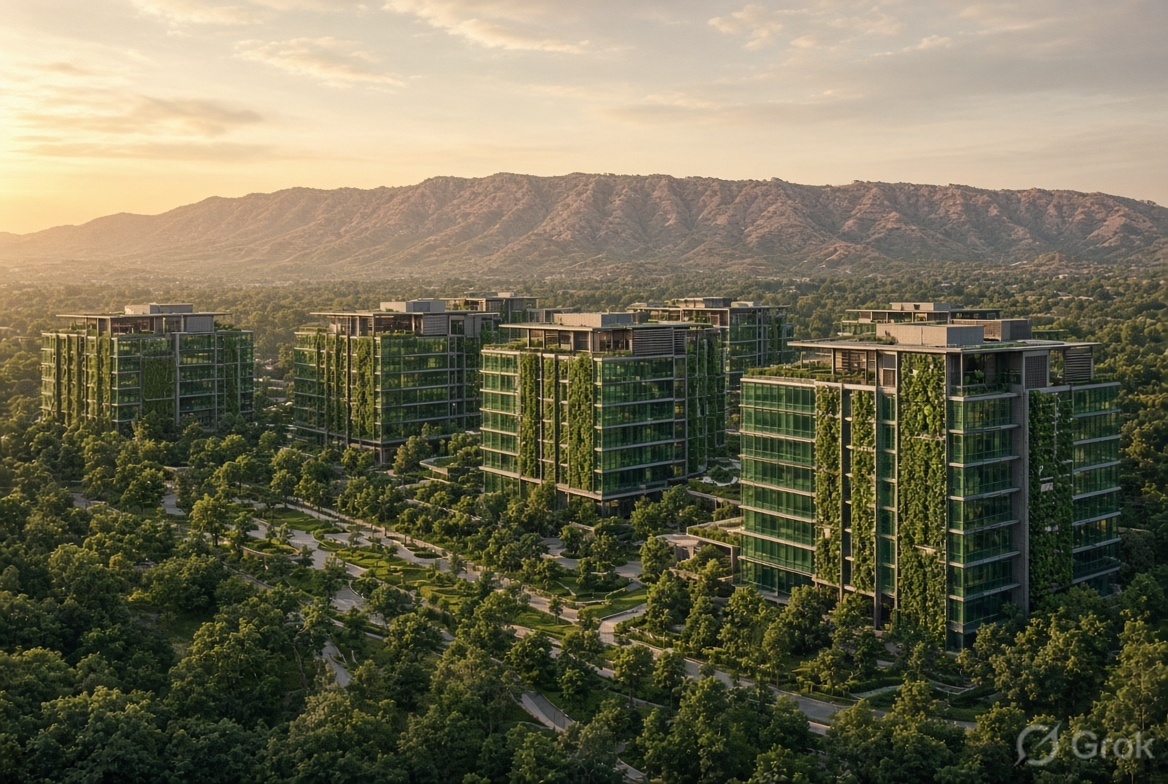
Read the full storyArtist impression · Proposed concept · Not allotted land
The Emerald Valley pitch, from Arun Malhotra's deck, imagines solar-linked compute rising beside the Japanese Zone. As of 15 Sept, this is a proposal, not a project. The proponent argues that phased land and daytime solar could one day host green data, cloud and campus research on the SNB corridor, with a talent pipeline feeding it. We print the vision because readers ask about it — and we keep it clearly separate from what is built, allotted or gazetted today. Read the claims against the corridor as it actually is.
Claims vs corridor
- Proponent: a solar-powered compute district. Corridor: no allotment, no gazette; grid power and water are still to be validated per site.
- Proponent: a university-to-industry pipeline. Corridor: DJIME and apprenticeships exist; there is no signed MIT, Stanford or NVIDIA deal.
- Proponent: four phases over years. Corridor: land aggregation and statutory approvals have not started.
Status: Proposed concept — The Emerald-(Silicon) Valley presentation, Arun Malhotra. Not a gazette. Not allotted land.
 Proposed concept
A State Investment Wave Gives Neemrana A Stronger Platform For its Next Decade
Real water/mobility item, separate from the pitch.
Read the full story
Proposed conceptA State Investment Wave Gives Neemrana A Stronger Platform For its Next Decade
Real water/mobility item, separate from the pitch.
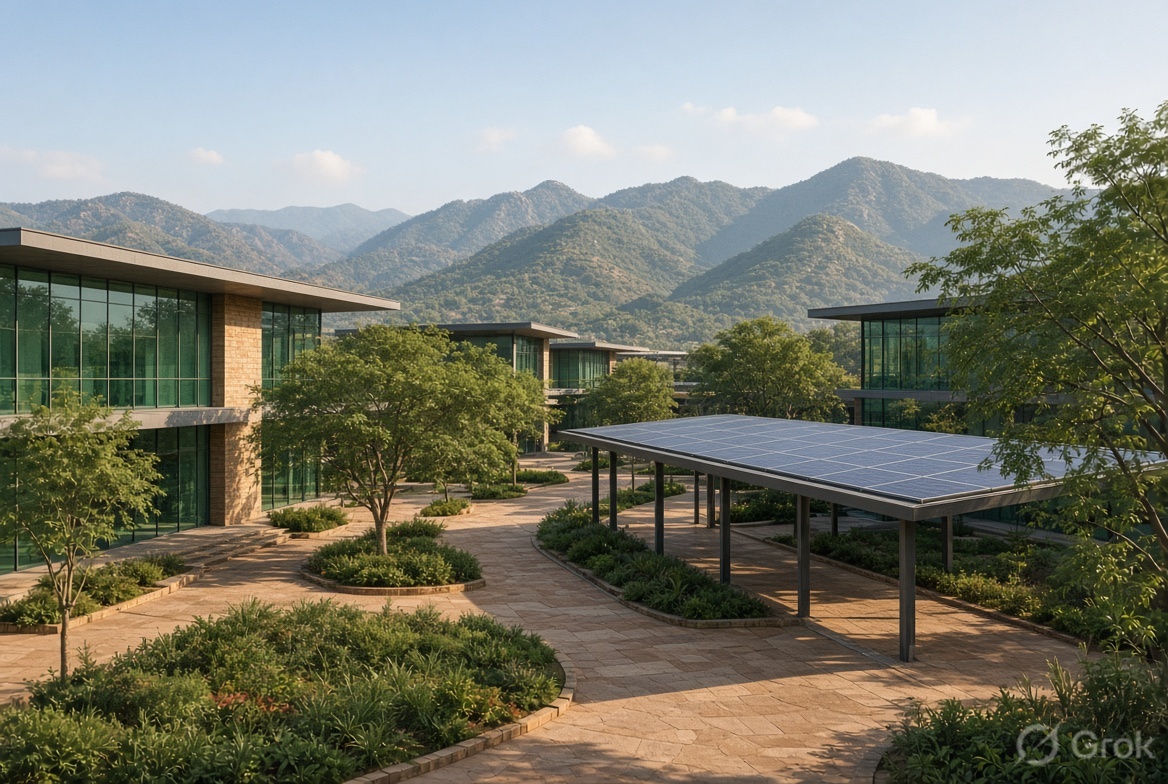
Read the full storyArtist impression · Proposed concept · Not allotted land
Rajasthan’s investment story is becoming a development story. The state has reported that investment proposals worth more than Rs 8 lakh crore under the Rising Rajasthan Investment Summit have reached the groundbreaking stage. This signals a shift from announcements towards project activity, industrial construction, new employment and a wider business ecosystem across the state.
For Neemrana, the timing is important. The town already has something many emerging industrial destinations are still trying to build. It has an international manufacturing identity. Its Japanese industrial cluster has given Neemrana global recognition among companies looking at India as a production base. It sits on the Delhi Jaipur corridor. It is close enough to the National Capital Region to benefit from its markets, talent and capital, while offering the space and industrial character of Rajasthan.
The next decade can build on that advantage. Rajasthan’s industrial policy environment is encouraging companies to look at land, incentives, infrastructure and long term expansion opportunities. RIICO’s direct allotment programme has continued to attract applications for industrial plots across the state, underlining the appetite for manufacturing land and enterprise growth. In its thirteenth phase, the programme received 954 applications for 242 industrial plots.
Neemrana is well placed to attract the next generation of this demand. The opportunity is not limited to large factories. A growing industrial region needs suppliers, packaging companies, logistics providers, warehouse operators, automation specialists, training centres, hotels, serviced residences, healthcare services, food businesses and digital platforms. Every new manufacturer creates a wider circle of local commercial activity.
The corridor is also developing a more complete investment narrative. The Shahjahanpur Neemrana Behror 2041 planning framework offers a long term urban direction. The Namo Bharat conversation can strengthen the connection between Neemrana and Delhi NCR. Proposed air connectivity can widen the region’s long range business imagination. The Emerald Valley vision brings technology, clean energy, education and innovation into the discussion. Bristone and similar residential propositions point towards a more international living economy.
Together, these elements make Neemrana more than an industrial location. They make it a platform.
For Japanese and Korean companies, Neemrana offers familiarity through an established manufacturing ecosystem. For Indian MSMEs, it offers a chance to enter global supply chains. For technology firms, it offers industrial customers and a growing talent opportunity. For hospitality and housing developers, it offers a business traveller, executive, family and workforce market that can expand with industry.
The most successful investment destinations combine confidence with preparation. Neemrana has already built confidence through manufacturing. Its next task is to prepare land, skills, services, mobility and sustainable urban infrastructure for a larger economic role.
That is why Rajasthan’s wider investment momentum matters. It gives Neemrana a stronger platform for its next decade of growth.